


The story that survived 3,000 years: what The Odyssey teaches brands about staying relevant
Catherine Kawaja, Account Executive
More than 3,000 years after the story of Odysseus was first told, people are still turning up to hear it. It’s ironic. The biggest narrative in pop culture right now is one of the oldest in human history.
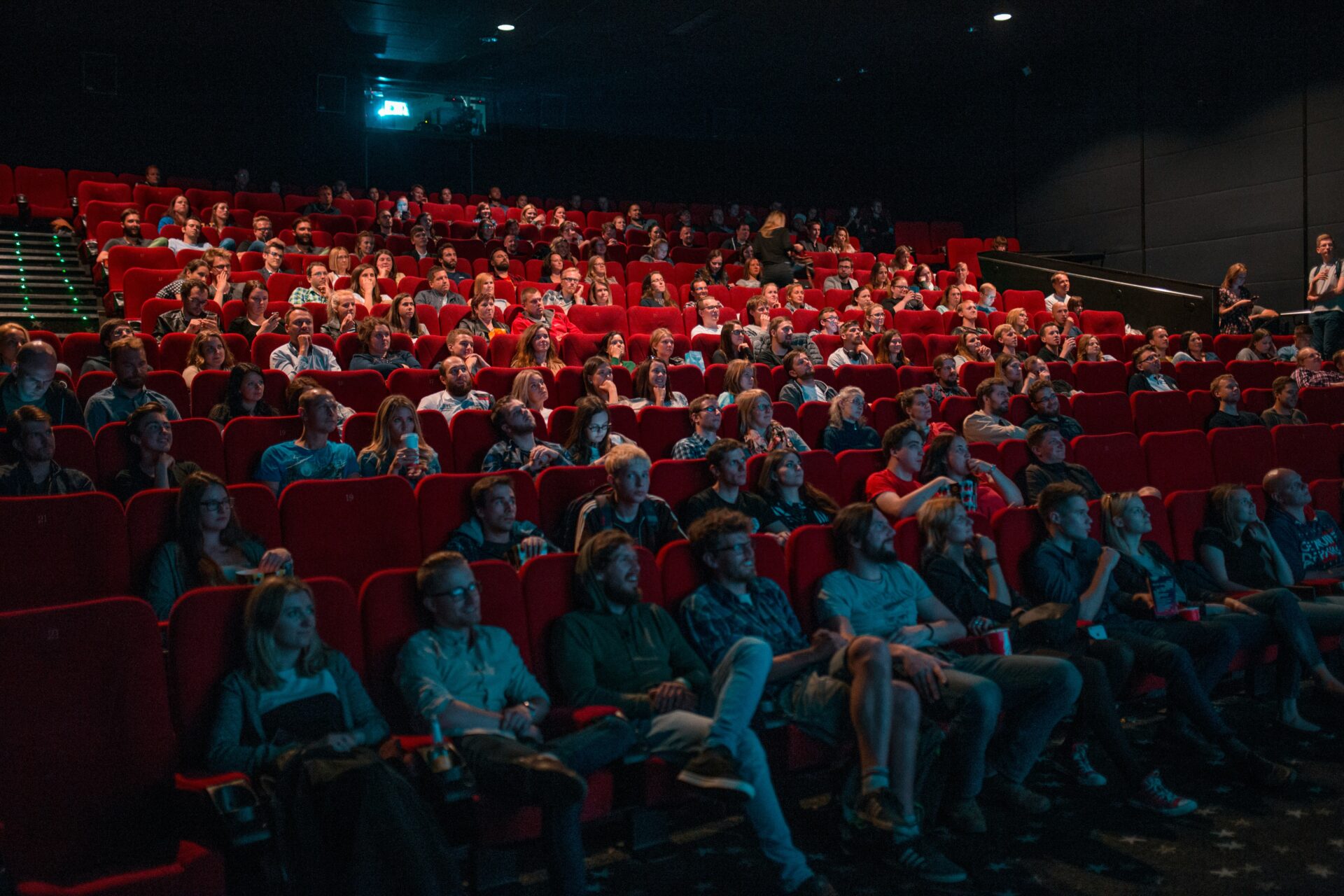
Christopher Nolan’s adaptation of The Odyssey took almost $264 million globally during its opening weekend, including $17.4 million in the UK and Ireland. It was Nolan’s biggest worldwide opening to date, playing across more than 12,700 cinemas in 73 international markets.
That’s a remarkable level of interest in a story that predates the cinema and printing presses, and it should prompt anyone working in communications to consider: Why do some stories continue to hold people’s attention while others disappear almost as soon as they are told?
A familiar story can still feel new
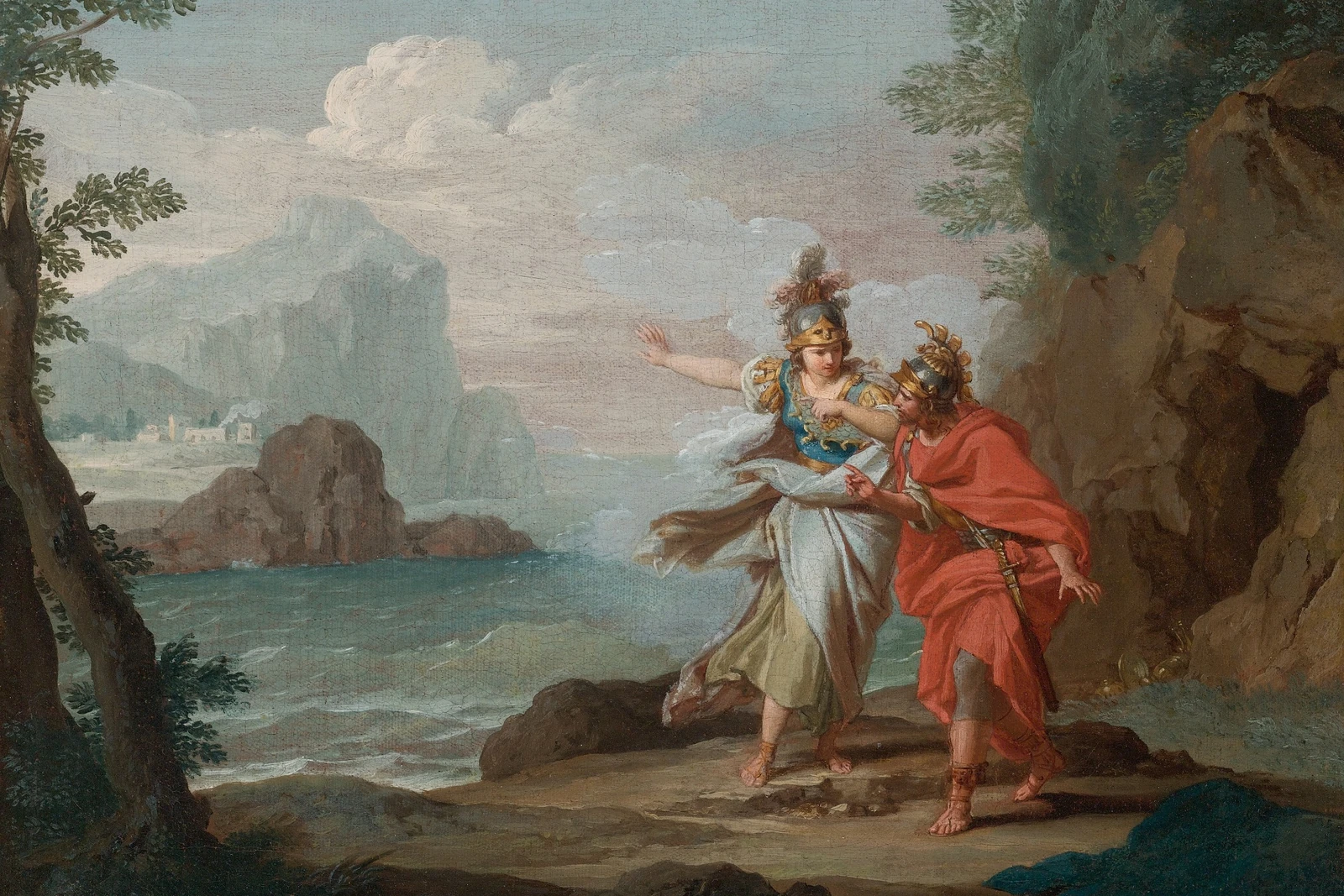
The obvious answer is that The Odyssey has never remained completely static. Long before Matt Damon took on the role of Odysseus, the story travelled through oral performances, manuscripts, translations, paintings, novels, plays, and previous films. Surviving fragments held at the British Library show that parts of the poem were already circulating in written form by the third century BCE.
Each version has arrived in a different cultural context. One audience might have been drawn to the battles and spectacle, while another, like fans of James Joyce’s retelling in Ulysses, focused on the hero’s journey.
Nolan’s version has not revived the story by telling it exactly the same way. He has treated it as something that can still be interpreted, debated, and made relevant to the present.
Brands often struggle with this balance. Once an organization lands on a message that works, there is an understandable temptation to protect it. The same phrases start to appear in every press release, article, interview briefing, and social post. Consistency gradually turns into habit until a once-useful story starts sounding detached from the world around it.
A recognizable brand needs continuity, but audiences should not feel as though they are hearing the same thing every time a brand appears. The aim is to contribute a thought, finding or perspective that aligns with your core story while adding something to the conversation already taking place.
Decide what people should remember
For all of its gods and monsters, the central idea behind The Odyssey is pretty straightforward. Odysseus wants to return home.
This thread gives the epic coherence even as the journey takes one turn after another. Readers might forget the order in which every island appears, but they understand what the character is trying to achieve and why it matters (even years after reading it in school).
Corporate stories benefit from the same clarity.
Unfortunately, many businesses begin with everything they would like to say about themselves rather than the one idea they would like audiences to remember. This is particularly common in technology, where a company might offer several products across multiple sectors supported by a long list of technical differentiators. All of that information is commercially important, but presenting it at once rarely creates a memorable impression.
Create something people can carry forward
A stronger starting point is a broader belief about the market. What problem does the organization understand better than its competitors? What kind of future is it helping customers move towards?
A central idea gives individual announcements somewhere to belong. A product launch, whitepaper, comment, and executive interview can each explore a different part of the business while gradually building the same reputation.
Without it, communications activity can be busy and even successful in isolation but leave audiences with little sense of company identity.
Let different voices tell different parts
Homer’s poem has also endured because it gives later storytellers plenty to work with. Its world is large enough to be viewed through Odysseus, Penelope, Telemachus, Circe, or one of the many other characters we meet along the way.
Brands can sometimes place too much responsibility on a single corporate voice, usually the CEO. Leadership visibility matters, particularly when an organization has fewer executives, is responding to a significant moment, or is setting out a new direction. However, the most convincing narratives tend to be supported by a broader group of people.
A technical specialist might be able to explain how a new product works in a different way than the CEO would, while a regional leader could speak to the realities of a particular market. Executives with different backgrounds can share distinct, nuanced takes on the same issue faced by customers, while the CEO could contribute a more strategic vision.
These voices can still feel connected, but they shouldn’t be interchangeable. In fact, forcing everyone to repeat identical language can make the wider story less believable. People have different experiences, expertise, and ways of speaking. Good communications should make use of that.
Rather than asking audiences to accept a polished statement from the center of the organization, it allows them to see the idea is supported from several directions.
Staying relevant requires movement
Nolan’s Odyssey shows that a strong idea can travel an extraordinary distance when each generation is given a reason to engage with it again.
Businesses don’t have 3,000 years to refine their narratives. Markets move quickly, and new technology can alter what customers expect overnight. That’s why it’s essential to understand which parts of your brand story are fundamental and which should be allowed to evolve.
The version of The Odyssey that brought people into cinemas this summer would have been unimaginable to its earliest audiences, but they would still recognize the journey.
If you want to learn more about how to craft a compelling brand narrative, reach out to me at catherine.kawaja@aspectusgroup.com.
Key takeaways
Why has The Odyssey remained relevant for so long?
Because its central story is simple and recognizable and each generation has found new ways to interpret and retell it.
What can brands learn from The Odyssey?
Brands need a clear central idea that audiences can remember, supported by fresh perspectives, formats and voices that keep the narrative relevant.
How can brands evolve their story without losing consistency?
By keeping the core message stable while adapting how it is expressed based on different audiences and changes in the market.
About the author
Catherine, based in London, is an Account Executive on the technology team who enjoys turning complex ideas into compelling, creative stories that showcase innovation in the technology sector.