



The ‘return’ of cinema. What challenger brands and start-ups can learn.
By Deepa Pushpanathan, Associate Account Executive
Independent films Backrooms and Obsession prove that success isn’t always driven by the biggest marketing budgets. This blog explores the marketing lessons challenger brands and start-ups can take from their success, including how understanding audiences, building anticipation and maintaining a distinctive brand position can help businesses stand out.
Why are independent films succeeding with younger audiences?
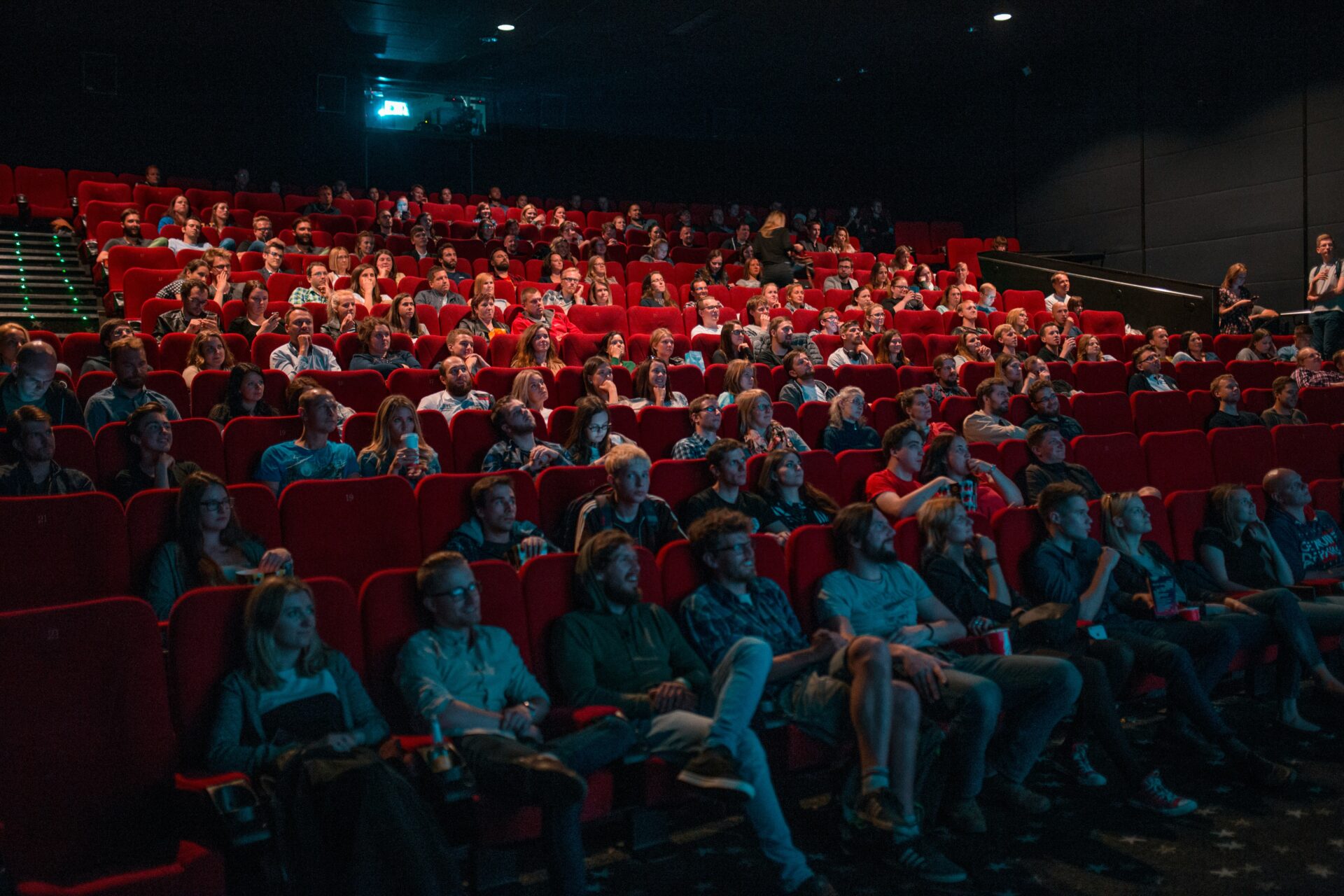
Recently, there has been this ongoing belief that young people don’t go to the cinemas anymore. Instead, they are better known for their short attention spans, spending most of their time on social media and increasingly favoring streaming over traditional forms of entertainment. However, this summer’s box office tells a different story and offers valuable marketing lessons for challenger brands and start-ups.
Two of the year’s biggest success stories, Backrooms and Obsession, achieved remarkable results despite competing against major studio releases. Produced on a budget of just US$750,000, Obsession has earned more than US$427 million worldwide, becoming the highest-grossing original horror film of the 21st century and the highest-grossing film ever made for under US$1 million. Meanwhile, Backrooms has grossed more than US$367 million globally and become A24’s highest-grossing film in several international markets. Around 75% of Obsession’s cinema-goers were aged between 18 and 34, while 86% of Backrooms’ opening weekend audience was under 35.
It would be easy to conclude that younger audiences have suddenly rediscovered the cinema, but that would be ignoring the smarter strategy behind it. Both campaigns recognized where their audiences already spent time, built anticipation in those spaces and gave people a compelling reason to seek out the full experience.
For challenger brands, that’s a familiar challenge. Like independent films competing against blockbuster franchises, startups rarely have the budget to dominate attention through scale alone. Success often depends on understanding your audience better than larger competitors and giving them a reason to choose you.
How did Backrooms and Obsession meet audiences where they already were?
Backrooms built its audience long before the film reached cinemas. Kane Parsons introduced the concept through his YouTube series, where it developed a loyal following and became part of online horror culture, also known as ‘creepy pasta’. Promotional campaign activities recreated the film’s distinctive blue tape portals in public spaces, drawing the attention of both existing fans and new ones while creating intrigue among people unfamiliar with the story.
That approach reflects a broader shift in how audiences engage with entertainment. Discovery increasingly happens through creators, online communities and social platforms rather than television advertising alone. By the time Backrooms arrived in cinemas, many viewers already felt connected to its world.
Obsession achieved something similar through a different route. Its interactive billboards evolved throughout the day, transforming seemingly innocent messages into increasingly unsettling ones that mirrored the film’s storyline. Rather than simply promoting the release date, the campaign extended the narrative beyond the screen and invited audiences to participate before they had even bought a ticket.
Neither campaign depended on reaching the largest possible audience. Instead, they focused on reaching the right audience in places where they were already paying attention.
Why does distinctiveness beat scale?
Hollywood blockbusters often rely on enormous advertising budgets to generate awareness across every audience segment, while Backrooms and Obsession avoided trying to compete on the same terms as bigger rivals. As businesses grow, there is often a pressure to expand positioning alongside the business itself. New products, new markets and new customer segments all bring opportunities, but they can also create messaging that tries to speak to everyone at once. Over time, that can make it harder for customers, journalists and industry peers to describe what the business actually stands for.
Clarity is often a stronger competitive advantage than breadth. That doesn’t mean limiting your market or ignoring new opportunities. It means having a distinctive position that remains consistent as the business evolves. For communications teams, that could be a founder’s perspective on an industry challenge, proprietary research or recognized expertise in a specialist area. Those are assets that competitors cannot easily replicate, and they give audiences something concrete to remember.
How can challenger brands build communications that people remember?
The lesson from Backrooms and Obsession isn’t that every challenger brand needs an immersive activation or a viral social media campaign. Those tactics worked because they reflected what made the films distinctive to the audiences that mattered.
The success of Backrooms and Obsession does not prove that younger audiences have abandoned streaming and permanently returned to cinemas. It does, however, show that audiences still respond to ideas that feel relevant and distinctive.
For startups and challenger brands, that’s an encouraging reminder. You may not be able to match the budgets or visibility of larger competitors, but you can compete by understanding your audience, communicating a clear point of view and giving people a reason to remember your business long after they’ve seen your campaign.
Key takeaways
What can challenger brands learn from independent films?
Independent films show that understanding your audience and creating distinctive campaigns can have a greater impact than competing on budget alone.
Why is it important to meet audiences where they already are?
Reaching audiences through the platforms and communities they already engage with helps build awareness, trust and anticipation.
Why does distinctiveness matter?
A clear and consistent brand position makes businesses easier to recognise, remember and choose over competitors.
How can start-ups apply these lessons?
Focus on understanding your audience, communicating a clear point of view and creating campaigns that reflect what makes your brand different.
About the author
Deepa Pushpanathan is an Associate Account Executive based in Singapore, working across B2B communications and content. She has a passion for creative storytelling and enjoys exploring how entertainment and the arts can inspire fresh ideas for brands and communications.