


The energy conversation has changed. Is your messaging keeping up?
By Astrid French, Head of Middle East
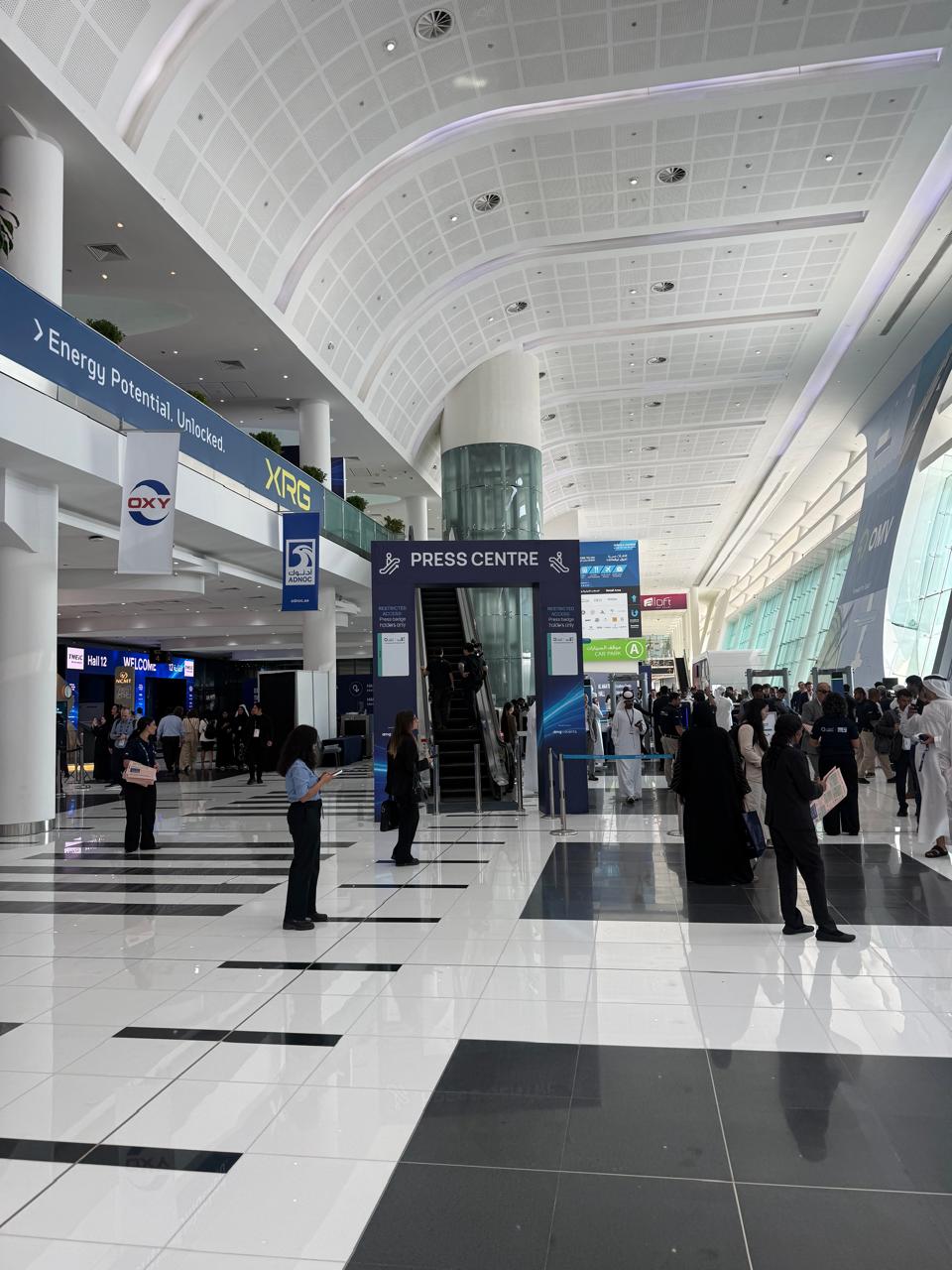
For communications teams across the energy industry, preparing for ADIPEC 2026 was no small task.
The industry has faced one of its biggest shocks in recent history, with geopolitical tensions and disruption to energy markets dominating headlines. Add to that the US midterm elections taking place during the event itself, decarbonisation deadlines looming, energy demand rising, and you’re looking at quite the backdrop for businesses looking to make headlines for the right reasons.
For comms teams and spokespeople, it meant a tricky balancing act. How do you land your messages, demonstrate relevance and engage meaningfully with journalists without straying into sensitive political territory?
Of course, handling difficult media questions is nothing new. We’ve been teaching spokespeople how to bridge, signpost and land key messages for decades.
But I think something has shifted. Journalists aren’t expecting every energy executive to have a view on geopolitics. They are, however, expecting them to recognise the context in which their industry is operating. And after a year like this one, simply steering every difficult question back to a carefully rehearsed corporate message isn’t going to cut it.
I’m not suggesting you have to take a political position. You don’t. But, you can’t pretend the world around you hasn’t significantly changed.
Effective media training goes beyond bridging
Anyone who’s been through media training will be familiar with bridging. It’s an incredibly useful technique for bringing a conversation back to the areas where a spokesperson has genuine expertise. But, there’s a difference between guiding an interview and avoiding the question altogether.
Imagine a journalist asking an energy technology CEO how the current geopolitical situation is affecting investment decisions. The spokesperson might understandably be reluctant to comment on particular governments, conflicts or political developments. Totally fair enough. But responding with an entirely unrelated statement about the company’s commitment to innovation won’t do much to build credibility.
Good news is, there’s a much better middle ground.
Acknowledge that uncertainty is affecting how operators think about investment, supply chains and infrastructure resilience. Discuss what you’re seeing within your own area of expertise. Then explain how your business is responding to those challenges. This is not offering political commentary; it is demonstrating real world awareness.
Doing this well requires proper preparation. Not just rehearsing what you want to say, but thinking seriously about what you might be asked, why the journalist is asking it and how to respond without creating unnecessary risk for the business.
Why energy communications strategies must reflect local markets
One of the things I enjoy most about ADIPEC is the international perspective it brings.
Conversations with businesses operating across the Middle East, Europe, Asia and the Americas are a reminder that while the energy industry is deeply interconnected, the pressures facing individual markets can be very different. This matters massively for communications.
An energy security message that resonates strongly in one market may need a completely different emphasis elsewhere. The same goes for conversations around decarbonisation, cyber, investment, infrastructure or economic growth.
Of course, international businesses need consistency. But there’s a difference between having a consistent global narrative and delivering exactly the same messages everywhere. This becomes even more important when navigating sensitive issues. What might be considered a relatively straightforward question for a journalist in one market could carry significant political or commercial sensitivities in another.
That’s why local market expertise matters just as much as a strong global communications strategy.
Preparing energy spokespeople for difficult media questions
If there’s one thing I’d encourage energy communications teams to take from ADIPEC 2026, it’s this: don’t confuse managing risk with avoiding difficult conversations.
Of course, there will always be questions that a spokesperson shouldn’t answer. Clear boundaries, good judgement and effective media training are essential. But the answer isn’t to retreat into corporate messaging that bears little resemblance to the world around us; it’s to prepare more thoroughly.
Understand the issues dominating your industry’s agenda. Consider how they affect your customers, partners and markets. Know which subjects your spokespeople can discuss with authority and where the boundaries lie. And give them the confidence to engage with journalists as people, rather than simply delivering rehearsed statements. Because ultimately, good media engagement is about knowing how to contribute meaningfully to the conversation, even when that conversation is difficult.
As the energy industry looks towards 2027, the opportunities for compelling storytelling are huge. But so too are the sensitivities. The businesses that communicate most effectively will be those that understand the conversation, know where they can add value and aren’t afraid to engage with it.
Want to chat about how we can help you do that? Get in touch.
Key takeaways
Q: Is bridging still an effective media training technique?
A: Yes, but bridging should help spokespeople guide an interview rather than avoid the journalist’s question. Effective media engagement combines acknowledging the question, providing relevant insight and connecting naturally to key messages.
Q: Why do energy communications strategies need to vary between markets?
A: Energy security, decarbonisation and investment priorities differ between regions. Communications teams need a consistent global narrative that reflects local market conditions, media expectations and political sensitivities.
Q: How can energy companies prepare spokespeople for challenging interviews?
A: Preparation should extend beyond rehearsed talking points. Communications teams should anticipate difficult questions, understand the issues shaping industry discussions, establish clear boundaries and equip spokespeople to respond confidently and credibly.
Q: What was the key communications lesson from ADIPEC 2026?
A: Successful energy industry communications require awareness, preparation and authenticity. Companies that understand the broader conversation and contribute meaningful insights are better placed to build trust with journalists and stakeholders.
About the author
Astrid French leads Aspectus Middle East, and is responsible for overseeing its direction, fostering its growth, and cultivating strong client relationships. Her experience spearheading global, integrated communications programs is layered with a deep understanding of strategic nuances in the region. Astrid has worked with a range of clients, from energy supermajors and early-stage tech investors, to prestigious private banks.
Related News
-

Why we need to hear from the CEO in tough times
September 10, 2026 -

Reset Connect event: through the eyes of an energy PR
July 9, 2026